Crowne Plaza Hong Kong Causeway Bay
Hong Kong, 2018
Application: Building Façade
Product: GRAZE, PIXEL, STRIP
Model: MP LINEAR DC, DOT SURFACE 80, FLEX MILKY SLIM TOP BENDED
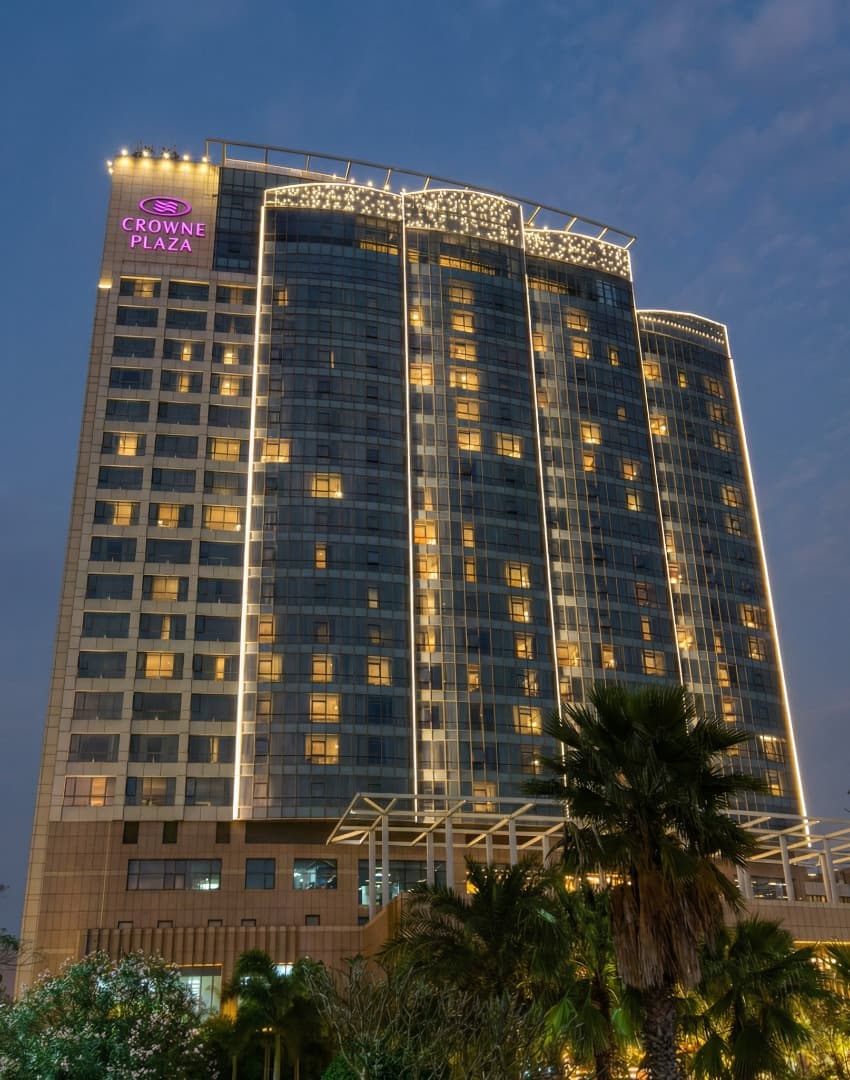
The facade lighting design for the Crowne Plaza in Hong Kong establishes a distinctive nighttime identity within the city's dense coastal skyline. Defined by sweeping glazed elevations and a prominent rooftop crown, the tower adopts a layered lighting strategy that balances architectural clarity with dynamic expression. Rather than treating the entire building as a luminous object, the design concentrates illumination along key structural elements, using a monochromatic white framework to articulate the tower's primary geometry while reserving animated lighting effects for the uppermost architectural crest. This hierarchy preserves the building's legibility at an urban scale while creating a memorable presence along the waterfront after dark.
Vertical Articulation & Architectural Framework
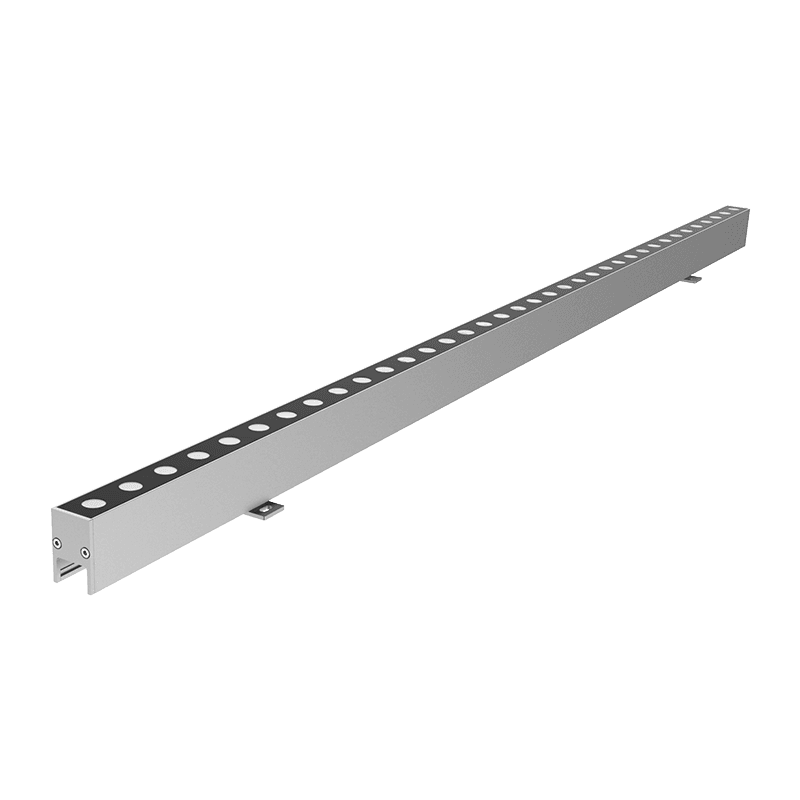
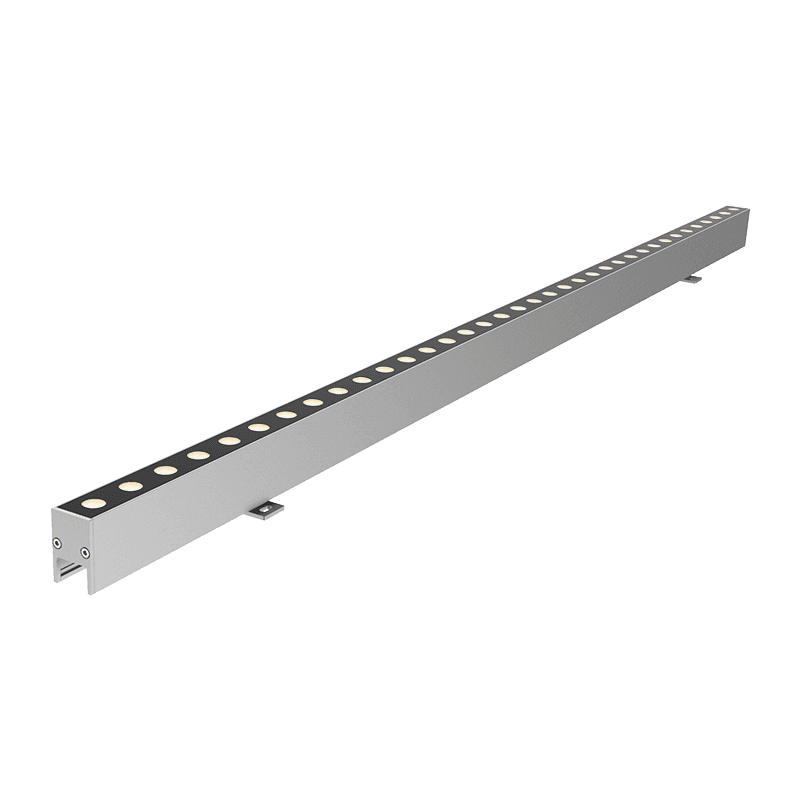
To emphasize the tower's vertical proportions and reinforce its architectural rhythm, 748 meters of LUCITAG Strip Flex Slim Top Bend modules are integrated within recessed perimeter channels aligned with the curtain wall system. Operating in a pure white spectrum, the concealed linear luminaires create continuous vertical lines of light that extend across the facade, visually elongating the tower and strengthening its structural expression. Complementing these elements, 210 units of LUCITAG Graze MP Linear DC luminaires are integrated within pedestrian canopies, terrace edges, and key arrival zones. Together, these lighting layers establish a coherent architectural framework that connects the tower to the public realm, enhancing orientation and reinforcing the building's presence at both distant and human scales.
Kinetic Crown Composition & Digital Identity
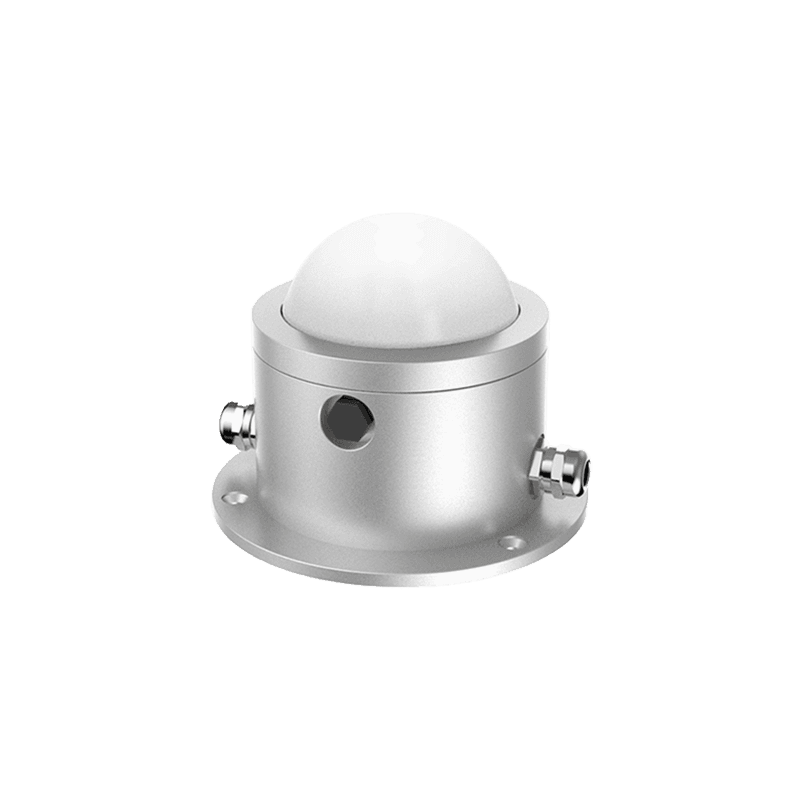
At the rooftop crown, a matrix of 424 LUCITAG Pixel Dot Surface 80 fixtures is integrated within the custom decorative screen structure. Operating on an RGBW platform, the system functions as a programmable luminous layer capable of generating subtle gradients, fluid transitions, and dynamic visual sequences across the building's highest architectural plane. Fully synchronized through DMX control, the crown becomes a distinctive nighttime signature visible across the surrounding skyline. By concentrating color and movement at the crest while maintaining disciplined white illumination across the primary facade, the design establishes a clear visual hierarchy that balances hospitality branding, urban visibility, and architectural restraint. The result is a tower that remains structurally legible while possessing a dynamic identity that evolves throughout the evening.
Vertical Articulation & Architectural Framework
To emphasize the tower's vertical proportions and reinforce its architectural rhythm, 748 meters of LUCITAG Strip Flex Slim Top Bend modules are integrated within recessed perimeter channels aligned with the curtain wall system. Operating in a pure white spectrum, the concealed linear luminaires create continuous vertical lines of light that extend across the facade, visually elongating the tower and strengthening its structural expression. Complementing these elements, 210 units of LUCITAG Graze MP Linear DC luminaires are integrated within pedestrian canopies, terrace edges, and key arrival zones. Together, these lighting layers establish a coherent architectural framework that connects the tower to the public realm, enhancing orientation and reinforcing the building's presence at both distant and human scales.
Kinetic Crown Composition & Digital Identity
At the rooftop crown, a matrix of 424 LUCITAG Pixel Dot Surface 80 fixtures is integrated within the custom decorative screen structure. Operating on an RGBW platform, the system functions as a programmable luminous layer capable of generating subtle gradients, fluid transitions, and dynamic visual sequences across the building's highest architectural plane. Fully synchronized through DMX control, the crown becomes a distinctive nighttime signature visible across the surrounding skyline. By concentrating color and movement at the crest while maintaining disciplined white illumination across the primary facade, the design establishes a clear visual hierarchy that balances hospitality branding, urban visibility, and architectural restraint. The result is a tower that remains structurally legible while possessing a dynamic identity that evolves throughout the evening.