Esplanade Bridge
Singapore, 2024
Application: Infrastructure
Product: WASH
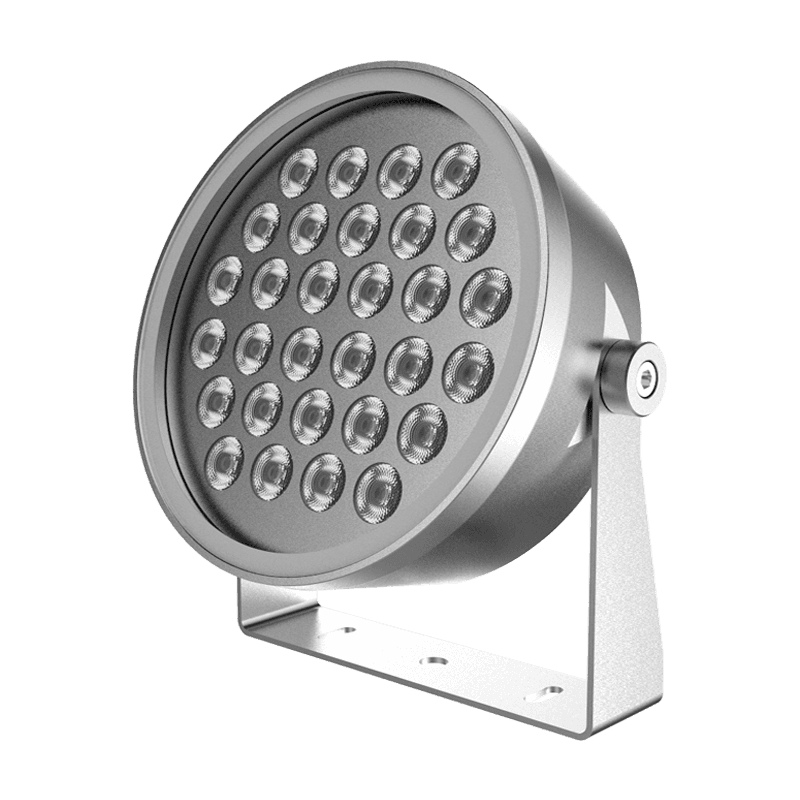
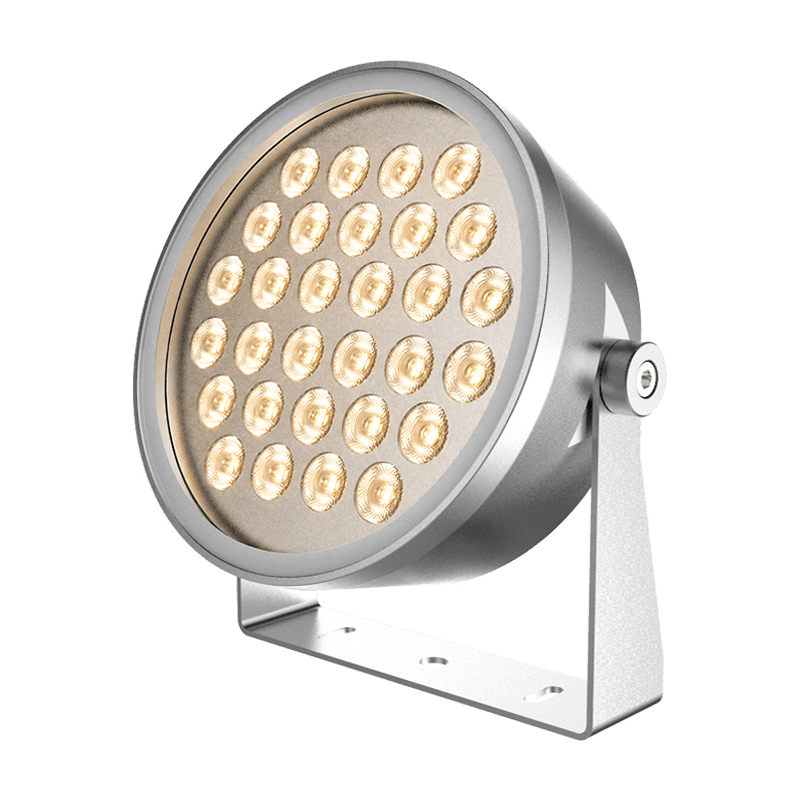
Model: ECO SPOT 380RT
Light as urban infrastructure
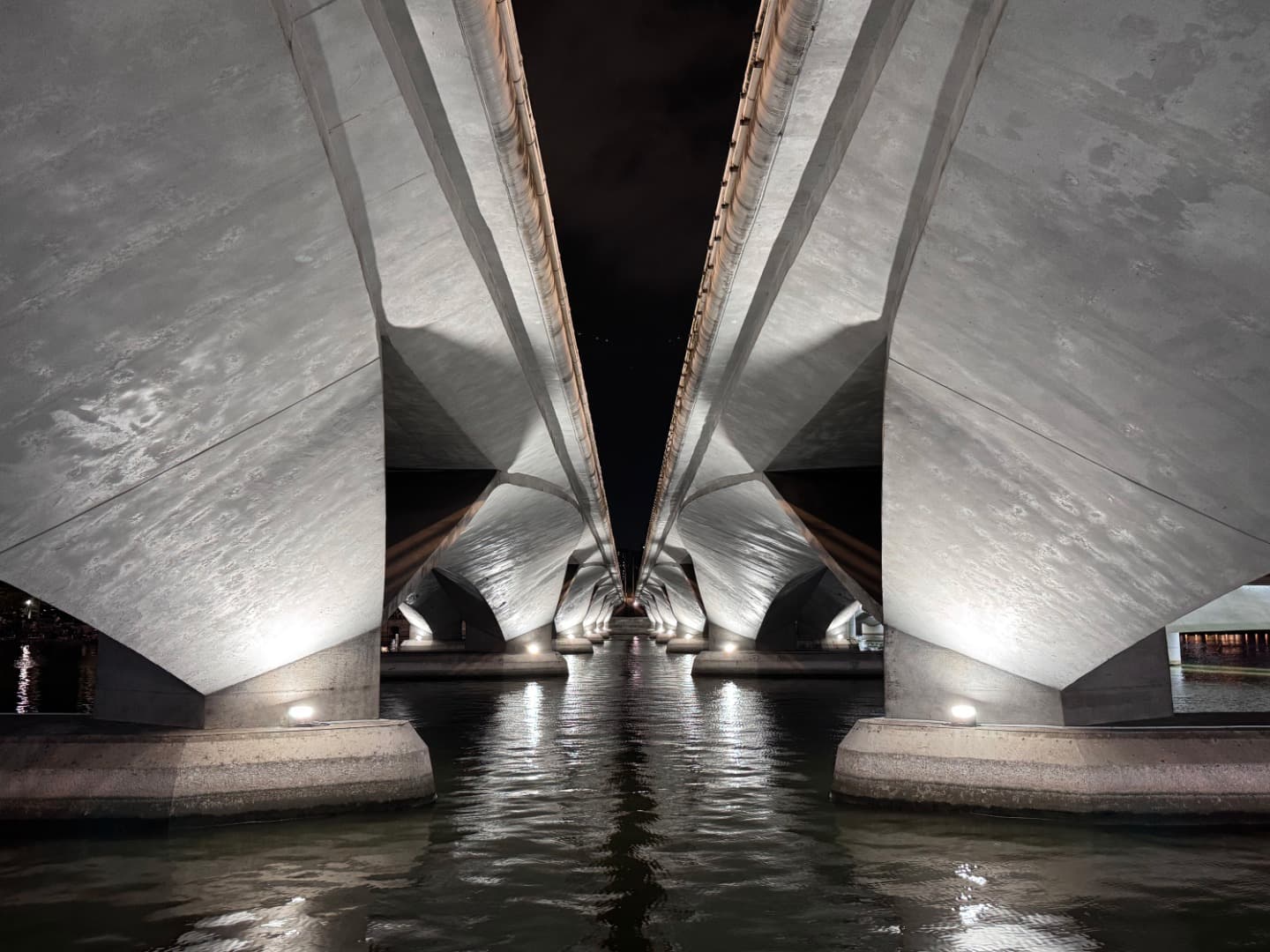
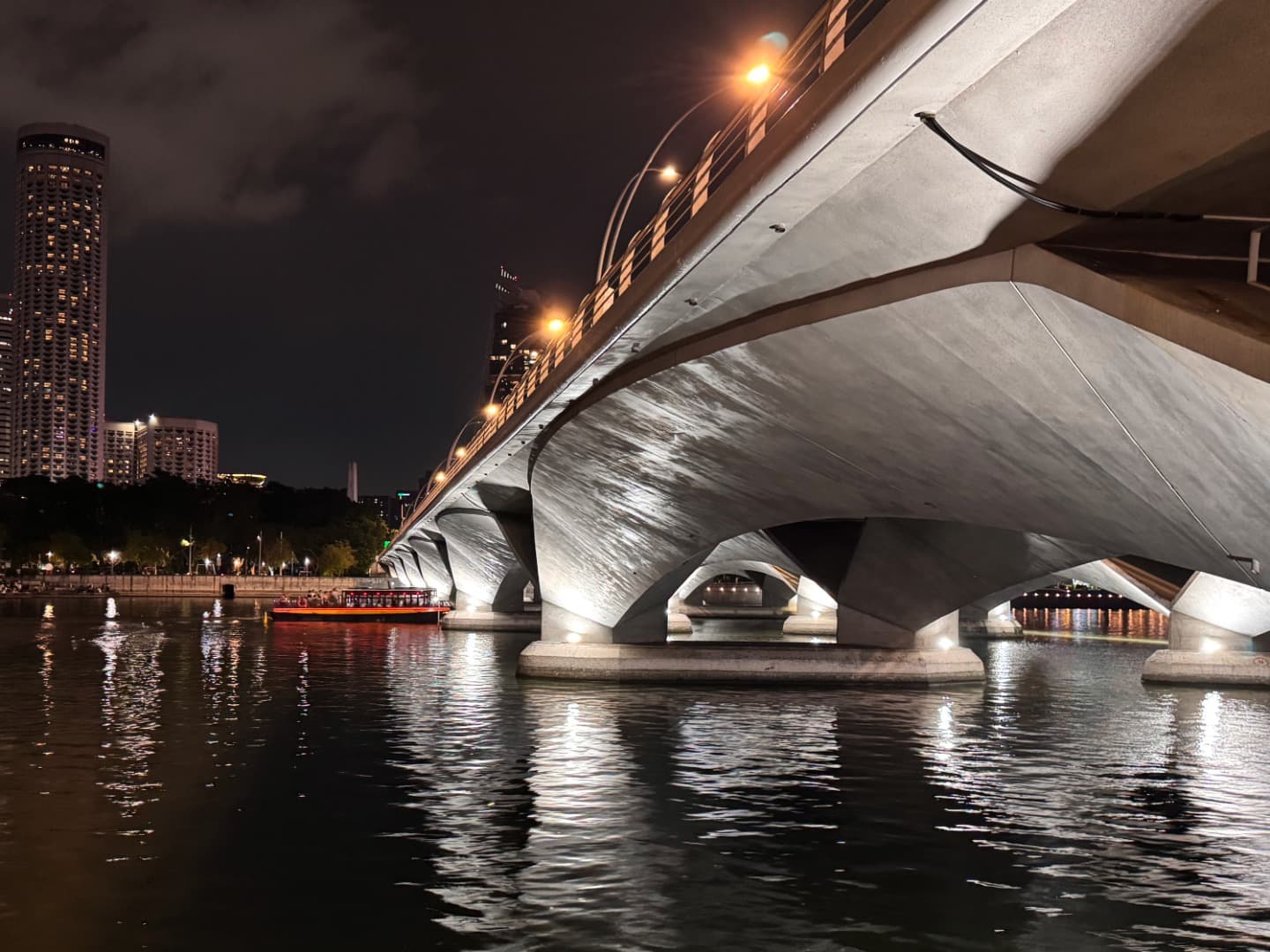
Since 1997, the Esplanade Bridge has linked Singapore's historic Civic District to the evolving skyline of Marina Bay, its low, sweeping concrete arches forming one of the city's most recognisable waterfront silhouettes. Over time, the original lighting installation no longer delivered the visual consistency, efficiency, and control expected of a landmark in this setting. In 2024, LUCITAG was commissioned to redefine the bridge's nighttime presence through a precise architectural lighting upgrade, addressing both visual identity and maritime safety.
Design approach
The lighting concept treats the bridge as a continuous architectural structure rather than a series of individual elements — its concrete piers and curved arches unified as a single sculptural surface. From the WASH Collection, the ECO SPOT 380RT was selected for its ability to deliver a controlled, high-uniformity wash across large curved surfaces without spill or glare, preserving the clarity of the geometry from every viewpoint: on the water, along the promenade, and across the surrounding skyline.
Since 1997, the Esplanade Bridge has linked Singapore's historic Civic District to the evolving skyline of Marina Bay, its low, sweeping concrete arches forming one of the city's most recognisable waterfront silhouettes. Over time, the original lighting installation no longer delivered the visual consistency, efficiency, and control expected of a landmark in this setting. In 2024, LUCITAG was commissioned to redefine the bridge's nighttime presence through a precise architectural lighting upgrade, addressing both visual identity and maritime safety.
Design approach
The lighting concept treats the bridge as a continuous architectural structure rather than a series of individual elements — its concrete piers and curved arches unified as a single sculptural surface. From the WASH Collection, the ECO SPOT 380RT was selected for its ability to deliver a controlled, high-uniformity wash across large curved surfaces without spill or glare, preserving the clarity of the geometry from every viewpoint: on the water, along the promenade, and across the surrounding skyline.
Technical specification
The fixture is specified in 5000K Pure White at 180W, with a 40° wide-flood beam angle selected to achieve even, continuous light distribution across the bridge's concrete surfaces. Each unit carries an IP66 protection rating, built for Singapore's tropical maritime conditions and resistant to heavy rainfall and salt-air exposure. The system is integrated with DMX control, enabling precise dimming and long-term adjustment of the lighting design without hardware replacement.
Performance
The beam distribution produces a smooth, shadow-free wash along the underside of the arches, reinforcing the bridge's structural form and its legibility as a night-time landmark, while improving visibility for bumboats and river cruises passing beneath. The result is a measurable reduction in energy consumption against the legacy installation, and a lighting system where light functions not as decoration, but as a tool for reading architecture.
The fixture is specified in 5000K Pure White at 180W, with a 40° wide-flood beam angle selected to achieve even, continuous light distribution across the bridge's concrete surfaces. Each unit carries an IP66 protection rating, built for Singapore's tropical maritime conditions and resistant to heavy rainfall and salt-air exposure. The system is integrated with DMX control, enabling precise dimming and long-term adjustment of the lighting design without hardware replacement.
Performance
The beam distribution produces a smooth, shadow-free wash along the underside of the arches, reinforcing the bridge's structural form and its legibility as a night-time landmark, while improving visibility for bumboats and river cruises passing beneath. The result is a measurable reduction in energy consumption against the legacy installation, and a lighting system where light functions not as decoration, but as a tool for reading architecture.